
Physiology
Doctors
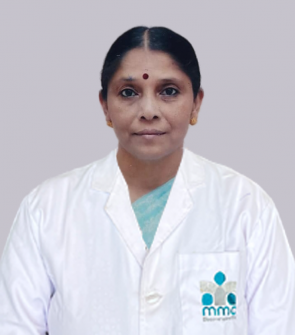
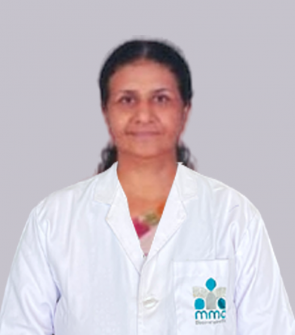
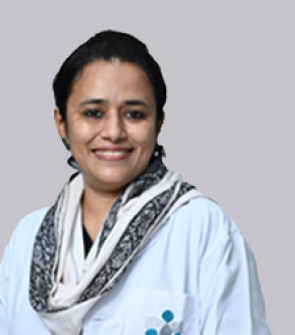
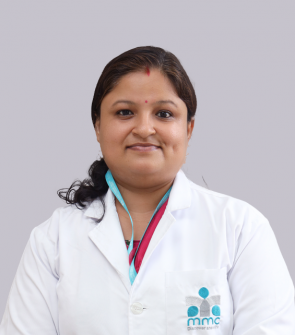
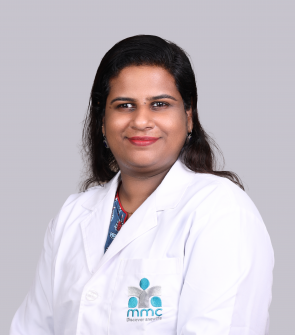
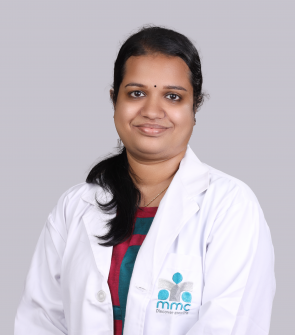
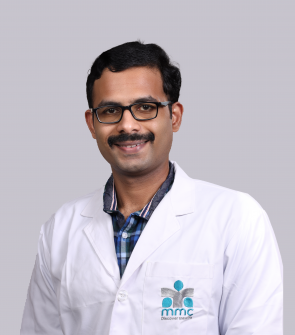
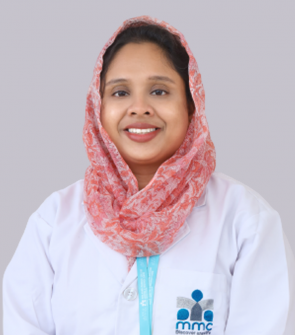

About the Department
The Department of Physiology, located on the fourth floor of the Academic Block, is committed to excellence in medical education, research, and the promotion of scientific inquiry. As one of the foundational departments in the MBBS curriculum, it plays a pivotal role in helping students understand the normal functioning of the human body and its relevance to health and disease. The department follows the Competency-Based Medical Education (CBME) curriculum prescribed by the National Medical Commission (NMC), integrating fundamental physiological concepts with their clinical applications to prepare students for future clinical practice.
The department provides a dynamic, student-centred learning environment supported by modern infrastructure and advanced teaching facilities. It houses a spacious 250-seat lecture hall equipped with state-of-the-art audiovisual systems, two demonstration halls with interactive smart boards, well-equipped Haematology, Clinical Physiology, and Research Laboratories, dedicated Amphibian and Mammalian Demonstration Laboratories, and a departmental library enriched with standard textbooks, reference materials, and digital learning resources.
The Clinical Physiology Laboratory offers hands-on training in essential physiological techniques, including electrocardiography (ECG), spirometry, handgrip dynamometry, and other functional assessments, enabling students to develop practical skills alongside theoretical knowledge. The department also promotes a culture of research by providing dedicated laboratory facilities that encourage scientific exploration among faculty members and undergraduate students.
Committed to nurturing competent, compassionate, and scientifically grounded medical professionals, the Department of Physiology employs innovative teaching methodologies, integrated learning strategies, early clinical exposure, and experiential practical training. By fostering critical thinking, analytical reasoning, and lifelong learning, the department equips future physicians with a comprehensive understanding of physiological principles that form the cornerstone of safe and effective clinical practice.
Departmental Focus
The Department of Physiology is committed to excellence in teaching, innovation, and academic development. Our focus is to create a stimulating learning environment that inspires curiosity, scientific thinking, and a deeper understanding of the physiological basis of health and disease. The department strives to:
- Provide high-quality, competency-based medical education.
- Strengthen the integration of basic sciences with clinical medicine.
- Promote experiential learning through practical training and laboratory-based teaching.
- Encourage innovation in teaching-learning methodologies and the effective use of educational technology.
- Foster research awareness and evidence-based thinking among undergraduate students.
- Develop professionalism, ethical values, communication skills, and teamwork as essential attributes of future medical practitioners.
Courses Include:
The department caters to the academic needs of students from the following programmes:
Medical Programme
- MBBS
- BDS
Nursing Programmes
- B.Sc. Nursing
- General Nursing and Midwifery (GNM)
Allied Health Sciences and Paramedical Programmes
- Bachelor of Physiotherapy (BPT)
- Bachelor of Science in Medical Laboratory Science (B.Sc. MLS)
- Bachelor of Science in Operation Theatre and Anaesthesia Technology (B.Sc. OTAT)
- Bachelor of Science in Optometry
- Bachelor of Medical Imaging Technology
- Bachelor of Dialysis Therapy Technology & Dialysis Therapy
- Bachelor of Medical Biochemistry
- Bachelor of Medical Microbiology
- Bachelor of Emergency Medicine Technology
- Bachelor of Respiratory Technology
- Bachelor of Cardiovascular Technology
- Diploma in Medical Laboratory Technology (DMLT)
- Diploma in Radiological Technology (DRT)
- Diploma in Dialysis Technology(DDT)
- Diploma in Neurotechnology(DNT)
- Diploma in Endoscopic technology (DET)
- Diploma in Operation theatre and anesthesia technology (DOT AT)
The department is committed to delivering high-quality education through innovative teaching methods, practical training, and clinical integration, ensuring that students develop a strong foundation in physiology essential for their future roles as competent healthcare professionals.
Teaching Programme
The Department of Physiology is dedicated to providing a dynamic and engaging learning experience that enables students to develop a thorough understanding of human physiology and its application in clinical practice. The teaching programme is aligned with the Competency-Based Medical Education (CBME) curriculum of the National Medical Commission (NMC), ensuring that students acquire the knowledge, skills, attitudes, and professionalism expected of an Indian Medical Graduate.
Teaching is delivered through a blend of interactive lectures, practical sessions, demonstrations, small-group discussions, self-directed learning, integrated teaching, and Early Clinical Exposure (ECE). The department promotes active participation, critical thinking, and clinical reasoning by integrating basic physiological concepts with real-life clinical scenarios.
Continuous assessment, constructive feedback, and mentoring are integral components of the teaching programme, fostering academic excellence and encouraging students to become independent, lifelong learners.
Infrastructure
Infrastructure and Facilities:
The Department of Physiology is equipped with modern infrastructure designed to support high-quality undergraduate teaching, practical training, and research. The department provides a conducive academic environment with well-equipped laboratories, technologically enabled teaching spaces, and dedicated research facilities.
Teaching Facilities:
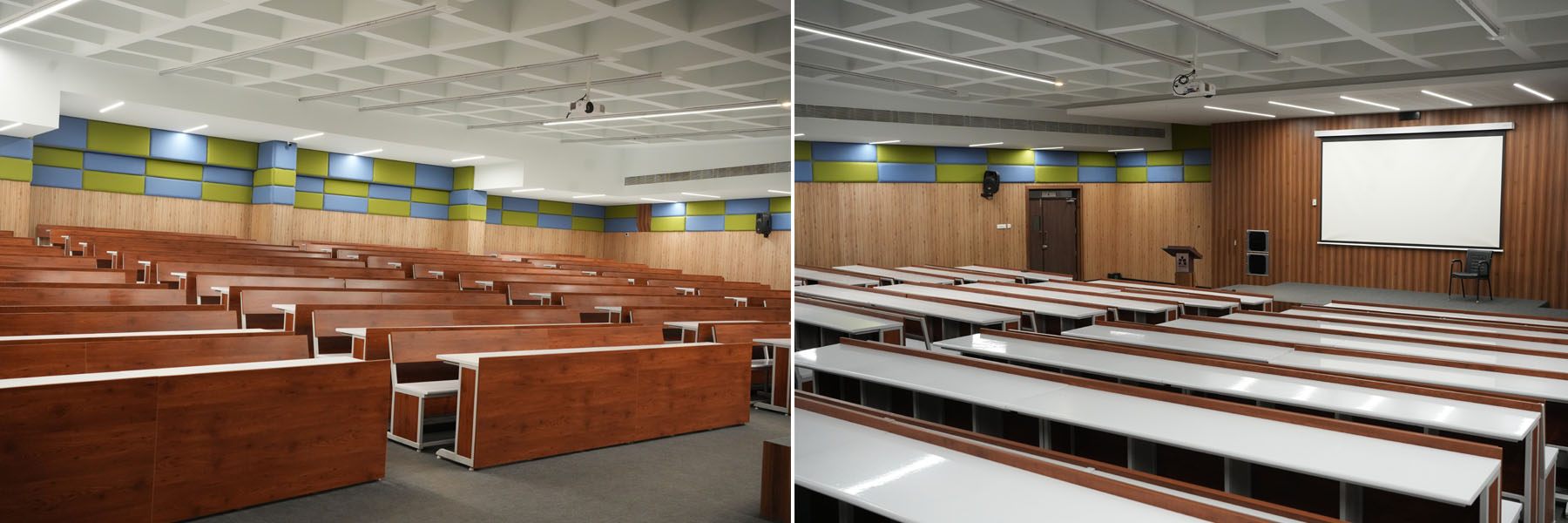
• Centrally air-conditioned lecture hall with a seating capacity of 250 students, equipped with LCD projector, sound system and modern audiovisual teaching aids.
• Two demonstration rooms, one equipped with interactive smart boards for tutorials, seminars, integrated teaching and small-group discussions.
Laboratory Facilities:
Haematology Laboratory: Equipped for haemoglobin estimation, blood cell counting, blood grouping, haematocrit determination, ESR and peripheral blood smear examination.
Clinical Physiology Laboratory: Equipped with ECG system, spirometer, handgrip dynamometer, student polygraph, sphygmomanometers, pulse oximeters and anthropometric instruments.
Research Laboratory: Provides facilities for undergraduate student projects and faculty research involving physiological assessments and data recording.
Amphibian Demonstration Laboratory: Houses amphibian demonstration equipment and experimental setups used for teaching and demonstration of physiological principles.
Mammalian Demonstration Laboratory: Contains mammalian demonstration equipment and teaching models used for demonstration of physiological concepts in accordance with institutional and ethical guidelines.
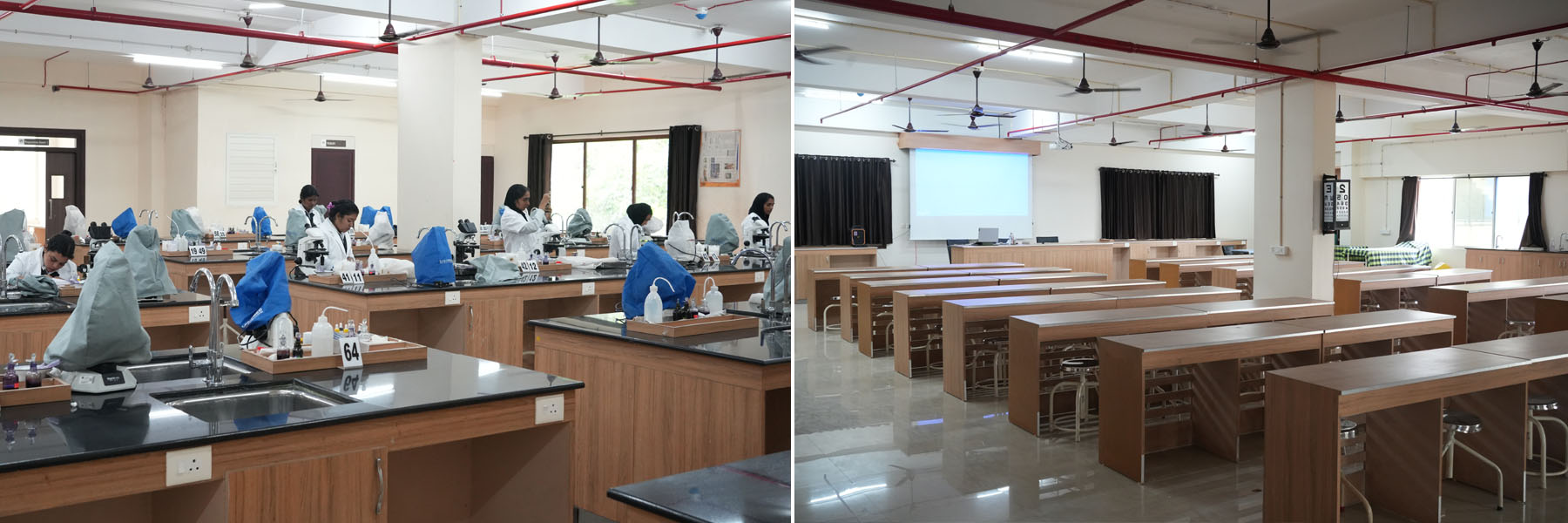
Simulation Lab: The Computer-Assisted Learning (CAL) Laboratory a modern teaching facility that enables simulation-based learning of experimental physiology in accordance with the National Medical Commission (NMC) guidelines. The laboratory employs advanced computer software to simulate classical amphibian and mammalian physiology experiments, allowing students to observe physiological responses, analyze experimental outcomes, and correlate them with fundamental physiological concepts.
Skill Lab:
Skill Laboratory designed to facilitate competency-based medical education through hands-on learning and simulation-based training. The laboratory provides students with opportunities to develop essential clinical and procedural skills in a safe and supervised environment before applying them in patient care settings. Regular skill-based sessions enhance psychomotor abilities, clinical reasoning, communication, and professionalism, fostering confidence and competence among undergraduate students.
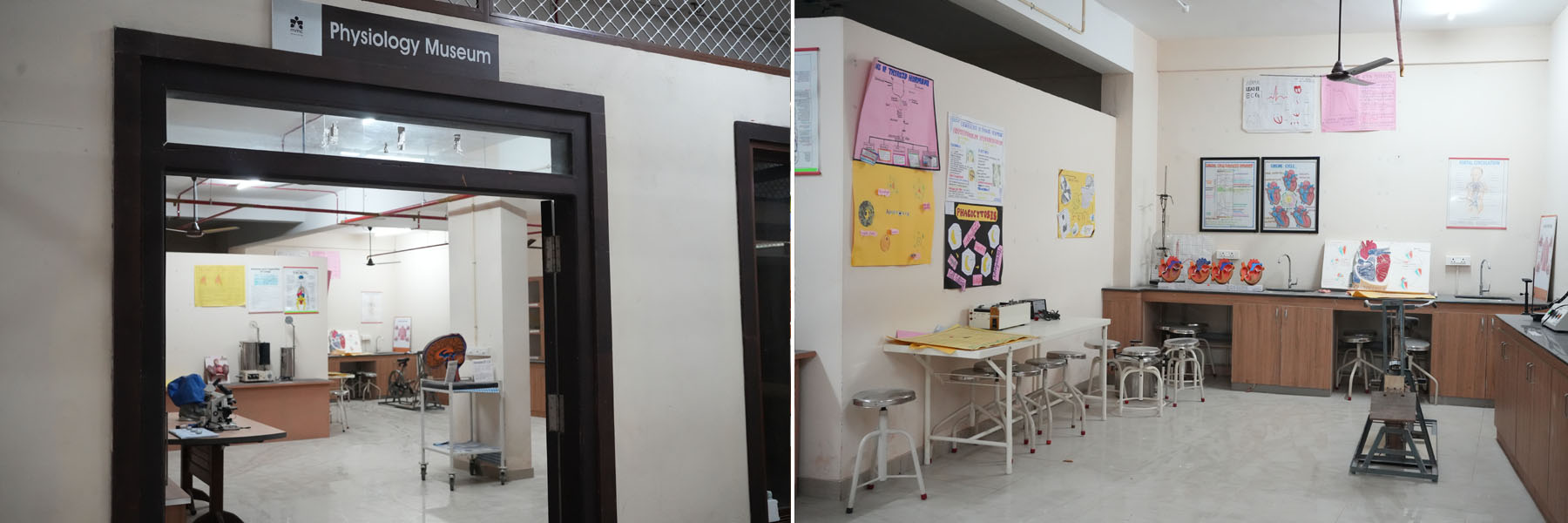
Meuseum: The Physiology Museum serves as an interactive learning resource that enhances students' understanding of human physiological processes through visual and hands-on learning.
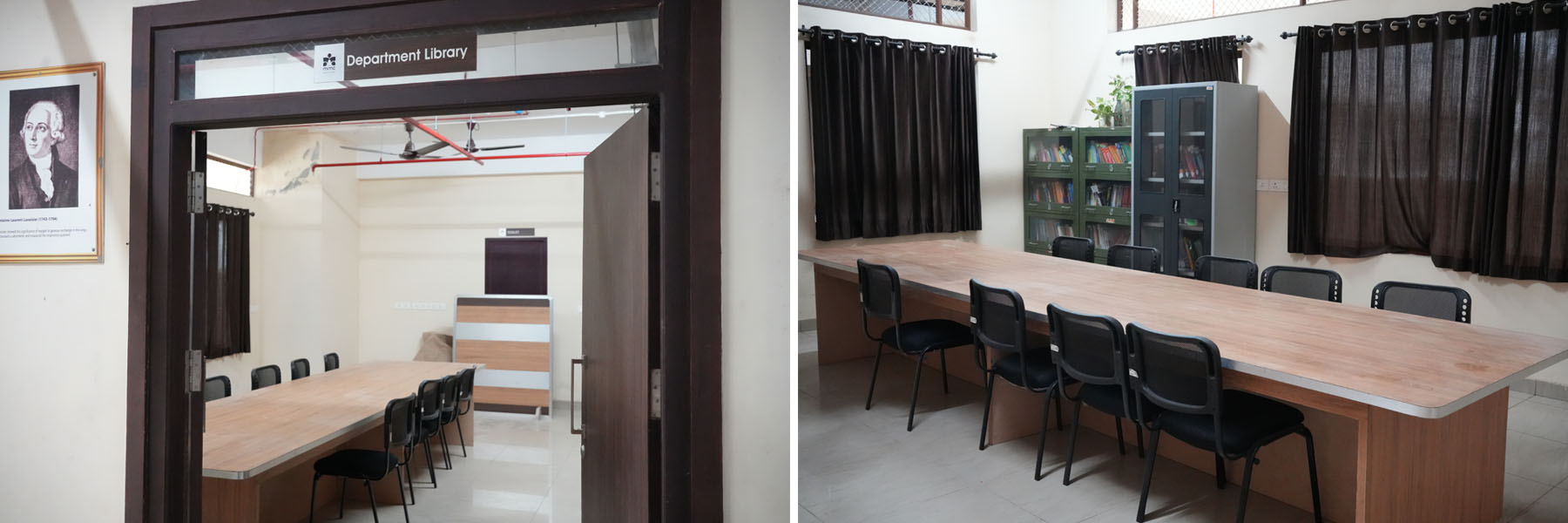
Departmental Library
The departmental library contains standard physiology textbooks, reference books, practical manuals, journals and digital learning resources to support undergraduate learning, faculty development and research.
Activities
CMEs/ Workshops Conducted
| Sl. No. | Title of CME/Workshop | Date | Resource Persons | Participants | Credit Hours |
|---|---|---|---|---|---|
| 1 | Echoes of the Night: Unravelling the Mysteries of Sleep | 05-04-2025 |
Dr. Smruthi V Dr. Durga Anoop Dr. Fiju Chako Dr. Harsha Halahalli Dr. Ravindra P. N |
65 | 2 |
| 2 | Adding Life to Years – Age With Grace | 28-03-2026 |
Dr. Smruthi V Dr. Roy R. Chandran Dr. Paul Mathai Dr. Mamtha George Dr. Niya Narayanan |
115 | 2.5 |